Recognising the many meanings of Shab-e-Barat 🕯️
Observing the night of lights and destinies in a changing world
Hey everyone, thank you for reading and subscribing to my newsletter. Going forward, some of my writings will be behind a paywall. Among other things, this is also to prevent AI tools from trawling content without permission and citations. This essay is currently free to read, but will go behind a paywall in a week’s time.
I hope you become a paid subscriber, which will come with all writings and some new offerings. Fifty percent of the subscription money will be directed towards mutual aid and I will update paid readers regularly on where those contributions are being directed towards.
Thank you for your time and I look forward to growing this small corner with you all. 🌱🌱
“Shab-e-baraat’s Lamps Have Lit The World Aglow / This Deepavali Shall Drive Away All Darkness!” - Kazi Nazrul Islam
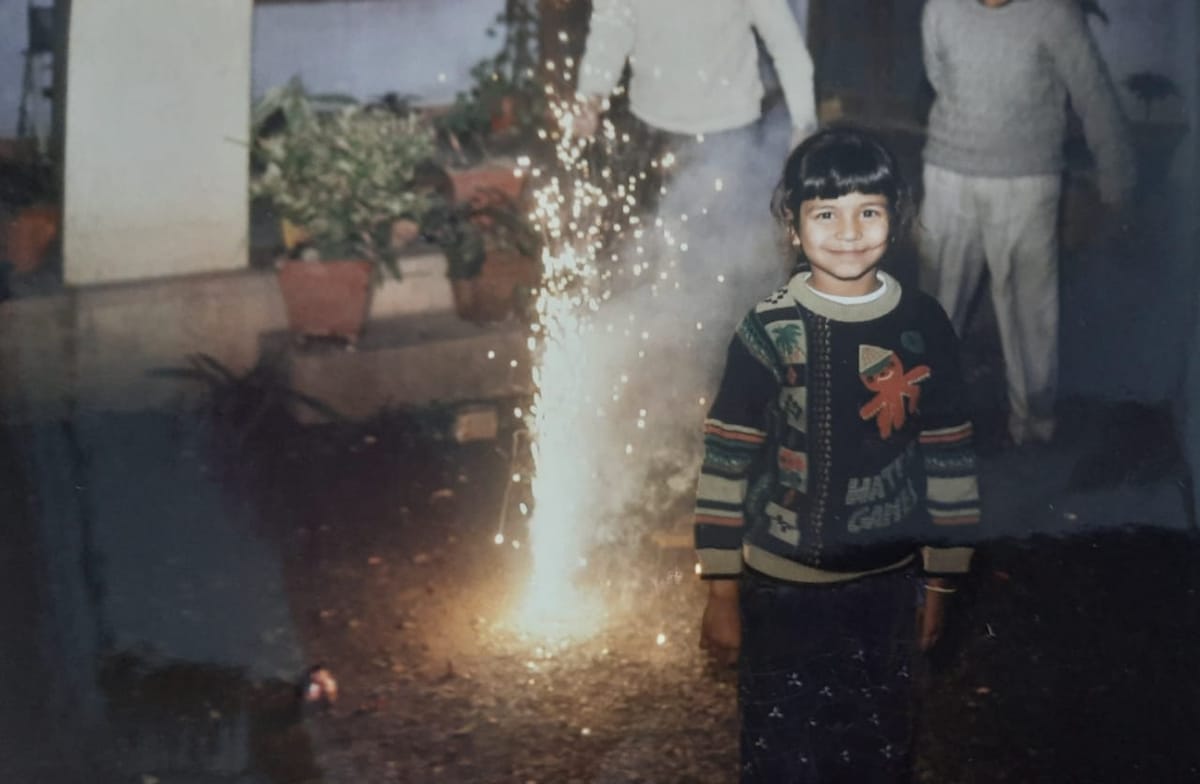
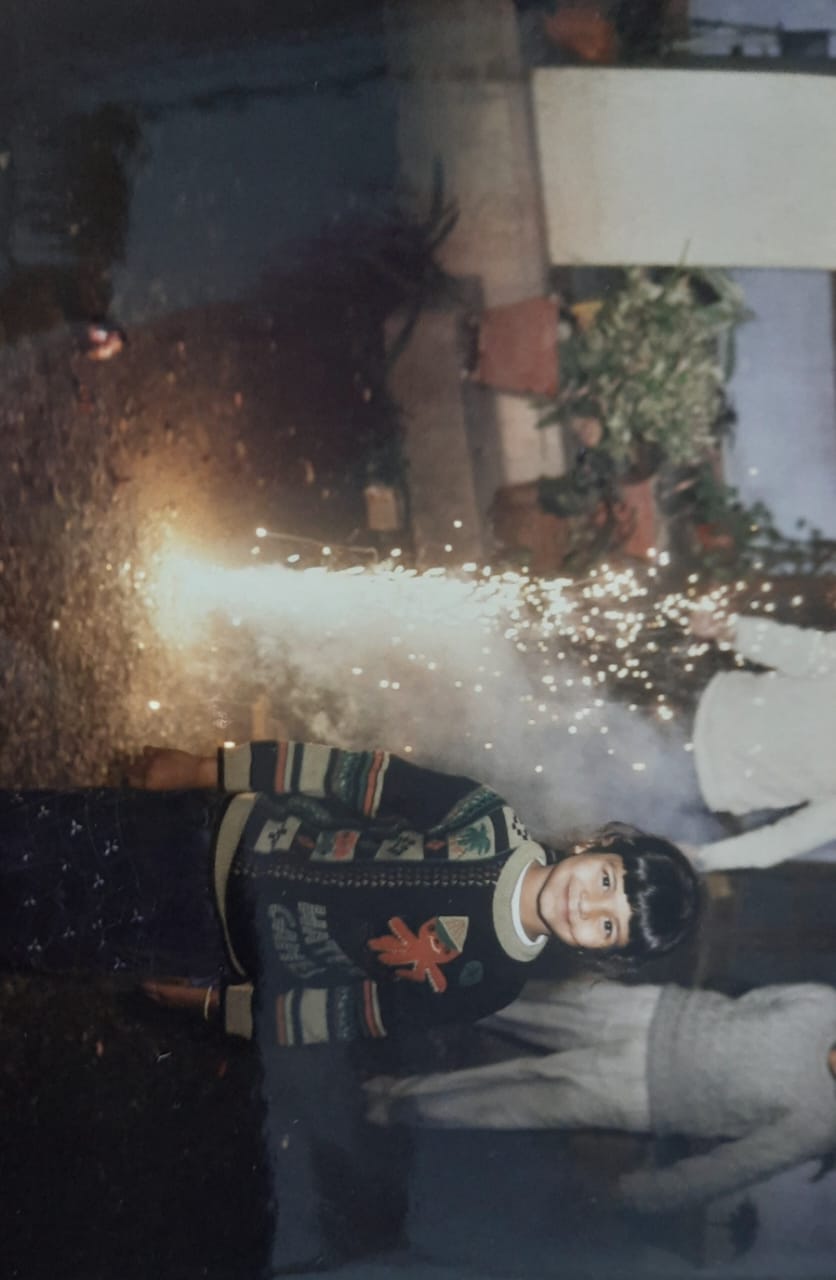
Growing up, Shab-e-Barat was the night of fireworks.
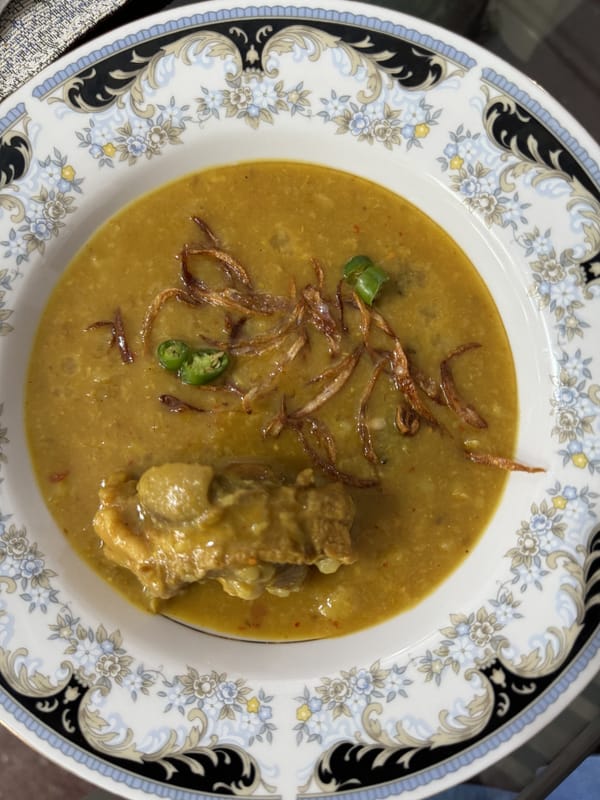
A day before the night, my mother would soak split chickpeas and then cook them in the biggest pressure cooker we had, to prepare chane ki daal ka halwa. Once cooked, both mother and father, would take turns to mash the chickpeas into a pulp with a wooden masher. Crouching on the floor next to them, I would excitedly watch them do this intense workout, and bite into the bland chickpeas (those in attempts to evade their pulpy destinies) fell out of the cooker.
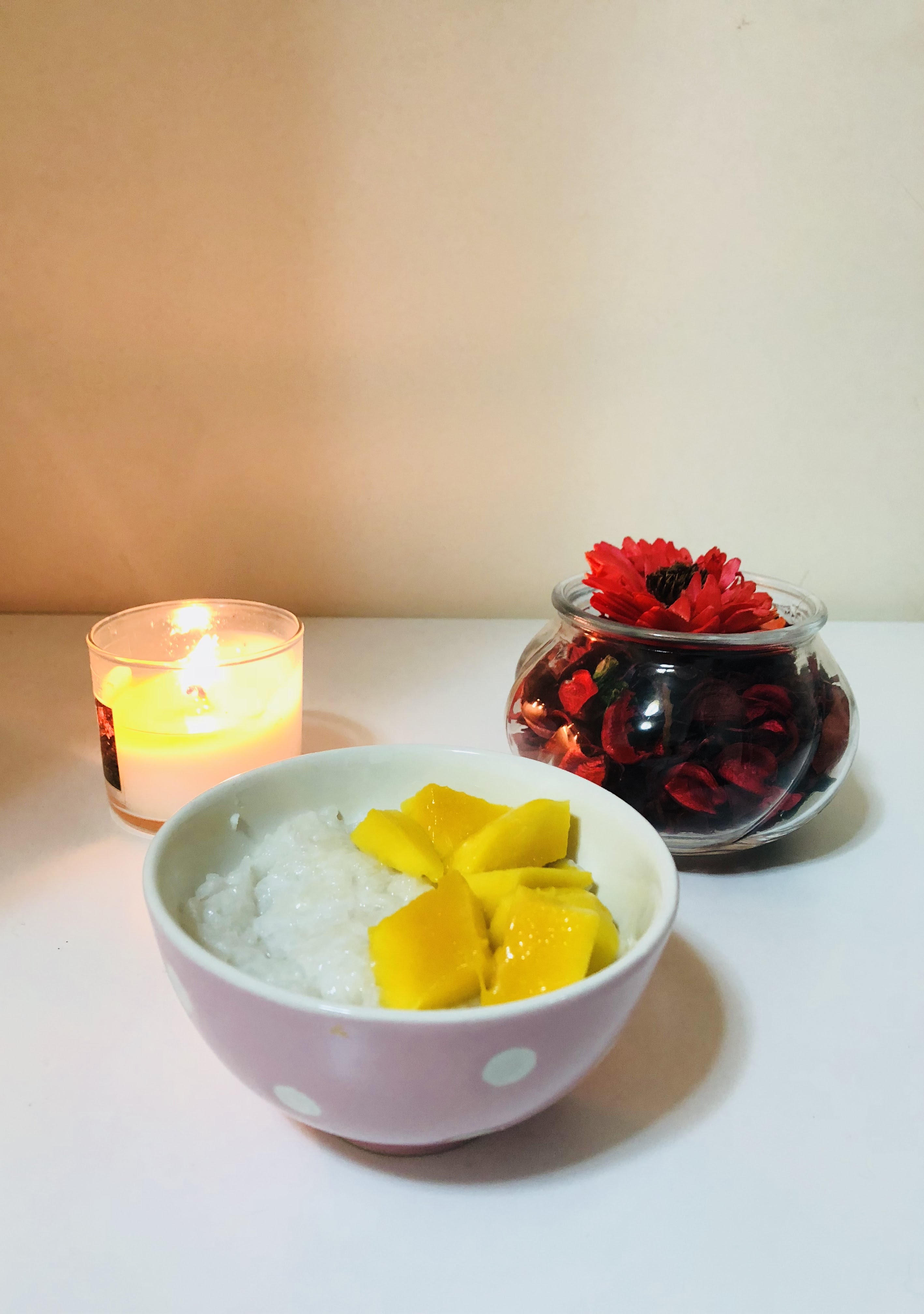
Once thoroughly mashed, this paste would then be put into a cauldron and cooked with ghee, milk and sugar until it caramelised into a magnificent dense brown mixture, ready to be poured over trays and pans. We would then hunt for kitchen knives, as many as could be sourced, to diagonally cut through the mixture making barfi like slices and let it cool over night. The fun really began after the slices were gently laid out in boxes and the cooking ware needed scraping off. Spoons and butter knives were employed to relish the intensely delicious halwa remains.
As evening approached, A dastarkhwan was laid out with halwa in different bowls to offer prayers to the revered historical Islamic figures and our family’s departed elders and loved ones. “Aatishbaazi, nazar aur fateha ke baad.” (Fireworks after the prayers), Dadi would remind us. My father would go light candles at the graves of the family’s departed elders and hand over meals to the graveyard’s caretakers. Later, elders and kids lit candles and lamps around the house - in flower pots, plant beds, in every room (especially where the study table was), and on Dadi’s balcony.
Finally, it would be time for anaar and phuljadi!
Shab-e-Barat possibly has pre-Islamic roots in Persia and over a period of time has been braided with certain significance within the Shia and Sunni traditions. In many Indian (and largely South Asian) families, it is observed as a night of forgiveness, spent in praying, with some remembering their departed family members, as it is believed that their spirits are set free that night.
One could relate this to the way Christian communities remember their departed on All Souls Day, Pitri Paksha noted in Zoroastrian and Hindu calendars, or Ghost Festival practiced in Eastern Asian communities.
I’m the product of ancestors who centuries ago migrated to North India carrying this religion and its traditions, some who adopted and localised these rituals to make them part of my cultural upbringing. As a kid, because of their choices, I got to enjoy fireworks on two nights every year. What was not to pray and thank them for?
Over the years, whichever city I was in, I would try to observe Shab-e-Barat with some light and a small batch of dessert. Something about lamps and sweets always lightened the heart and one’s despondency.
I don’t know what sort of darkness Bangla poet Kazi Nazrul Islam (b.1899 - d.1976) was referring to when he wrote the lines, “Shabe-baraat’s Lamps Have Lit The World Aglow / This Deepavali Shall Drive Away All Darkness!”, but to me they offer a glimmer amid the darkness we find ourselves in. A darkness filled by dimming of hope and continued wilful ignorance. A sense of a long prevailing night lingers where one must live through hearts gone cold, silences and falsehoods during an ongoing genocide, or the fevered dreams of those dancing in the jingoistic highs of fascism.
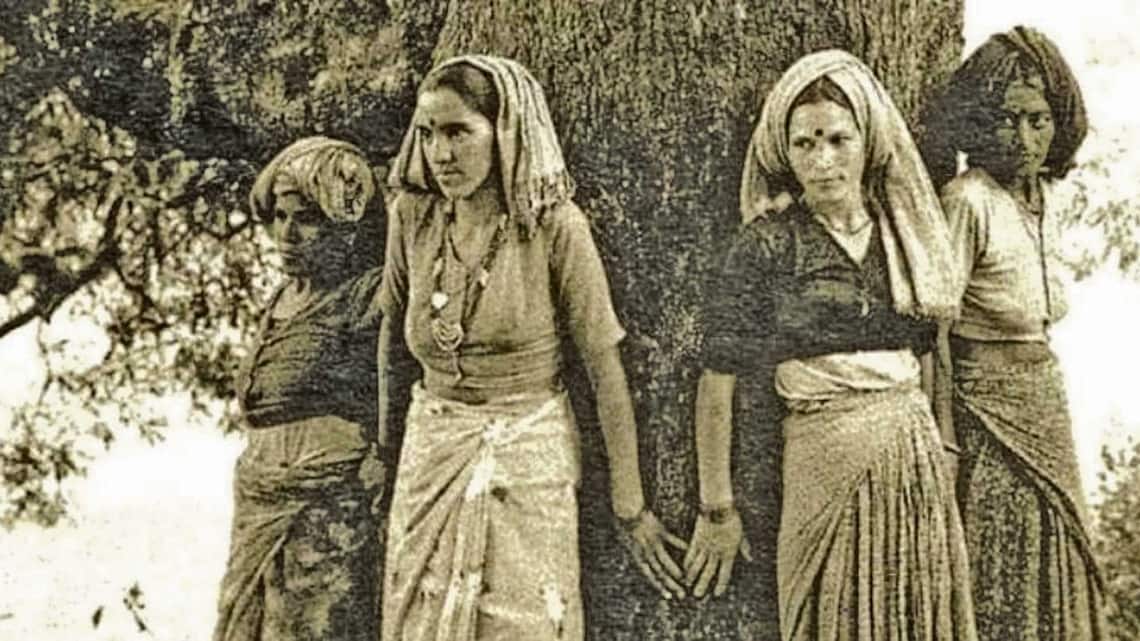
I’m also beginning to recognise that Shab-e-Barat offers a sense of grounding and comfort, knowing that one can take learnings and even succour from one’s ancestors. Those grand phuphis, cousin khalas, great grand dadis and nanis, whom I never met, but heard stories of and in some shape or form they influenced my upbringing. And why must they all be through lineage? There are ancestors whose lives have shaped my sense of identity and understanding of this world. Women like Ismat Chughtai, Audre Lorde, Rosa Parks, Mary Oliver, the Chipko Andolan activists to name a few.
My former therapist used to invoke a beautiful line in our meditation, asking me to recognise that I am being held by my ancestors. As I observe Shab-e-Barat tonight, I repeat this prayer and honour each one of those whose wisdom, stories, choices, laughter, and life have paved the way for me to recognise my part in this world. I draw comfort and clarity from their lives, to continue working towards freedoms and joys for us all.
We remember our ancestors because we stand on their shoulders, and what a blessing to have so many of them.
Mariyam Haider is an independent writer-researcher, spoken word artist and producer & host of Main Bhi Muslim podcast. Her writing has appeared in Scroll, Kontinentalist, Asian Review of Books, Centre for Feminist Foreign Policy, AWARE, Livemint, Mekong Review, among others.
References:
- Understanding the History and Purpose of Celebrating Shab-e-Barat (Jawhar Sircar, The Wire, March 2021)
- What is the Chipko movement? (The Indian Express, March 2018)