Superboys of Malegaon is a cinematic win for Indian Muslimness
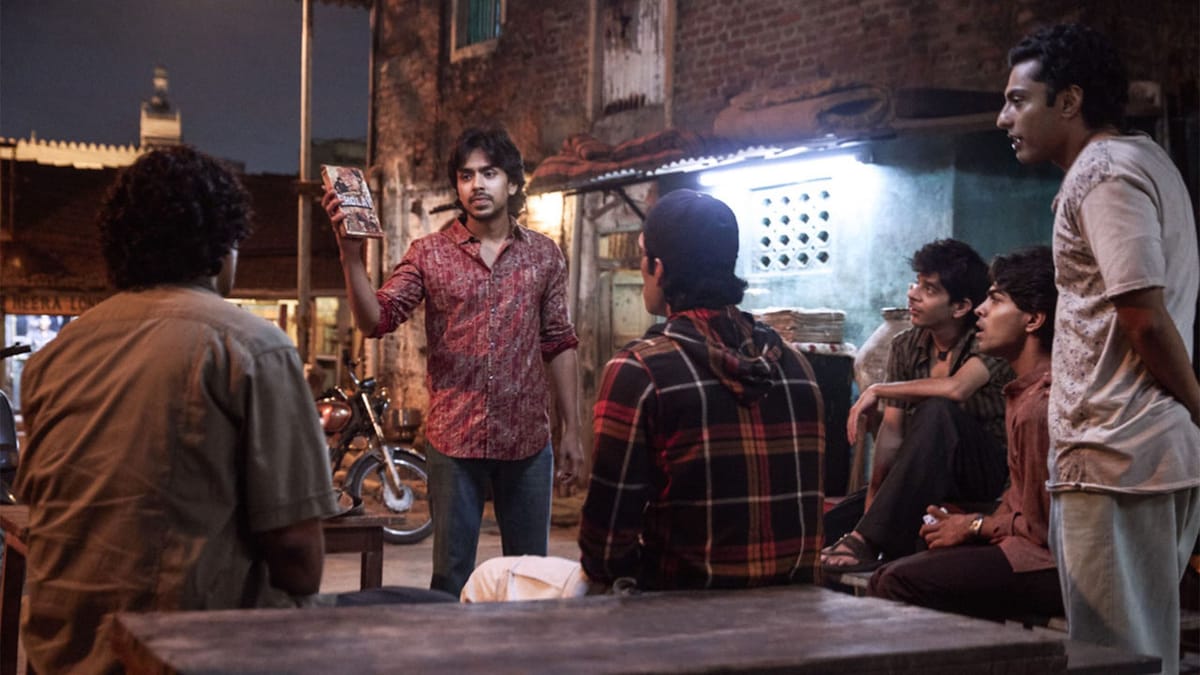
‘Arrey, shauk paal ke kya karega, Malegaon mein tu marega!’
I’ve rewatched Superboys of Malegaon for many reasons — its larger than life portrayal of small-town characters, storytelling at its finest that roots for the underdogs, but also the fact that it is carried on the shoulders of Muslim characters and none of them are accessories to the plot. It is a movie around small-town cinema industry that squarely runs of the shoulders of Nasir Shaikh (played by Adarsh Gourav), his friends and the predominantly Muslim community he is part of.
This kind of self-affirming portrayal took me back to my maternal grandmother’s town, Moradabad. Over many visits in the 1990s until early to mid-2000s, Moradabad was a place where I felt a sense of unapologetic self-hood in one’s identity and belonging.
The moment we’d arrive at the railway station, coolies would huddle around to carry our luggage, and later the rickshaw pullers would expertly serpentine through narrow streets avoiding potholes. Most shops with their wooden doors and age-old latches were perched higher up from the streets, brass warehouses and artisans hammered onto the metals, was a common sight. With rickshaws, hole in the wall barber shops, and hair oil advertisements painted on walls, the movie does an incredible job of depicting small-town India in the 90s.
Greetings such as ‘Salamwalaikum’, ‘Khudahafiz’ are part and parcel of one’s life, and “naan-nihari ka intezaam karna padta hai” is a local catch-phrase but universally understandable. Then there was the Moradabadi dialect, with sentences ending with “aa riya” “ja riya”, which viewers of Superboys of Malegaon would associate with.
My grandmother’s house was right opposite a mosque, which meant that azaan was a time-keeper. Lunch was served after zohar and around maghrib, all play and games were suspended. Owing to multiple mosques we would start bargaining with elders to resume play right after one azaan was done (we rarely won that argument). In Superboys of Malegaon, mosques dotting the landscape and men wearing skull caps selling their wares, watching movies, all exist without fitting into a stereotype.
The movie also showcases that while in such towns public spaces are largely run and occupied by men, women (Muslim or otherwise) find ways to push boundaries, bend rules and challenge norms. In the movie, an academically brilliant woman gets to finish her studies but not marry of her choice, another chooses a life of performance and acting leaving an abusive marriage, while another becomes a lawyer and subsequently a movie producer. I have many stories of my mother’s fierce ways of ascertaining her selfhood while she was growing up in Moradabad — challenging an existing social order in her own manner.